
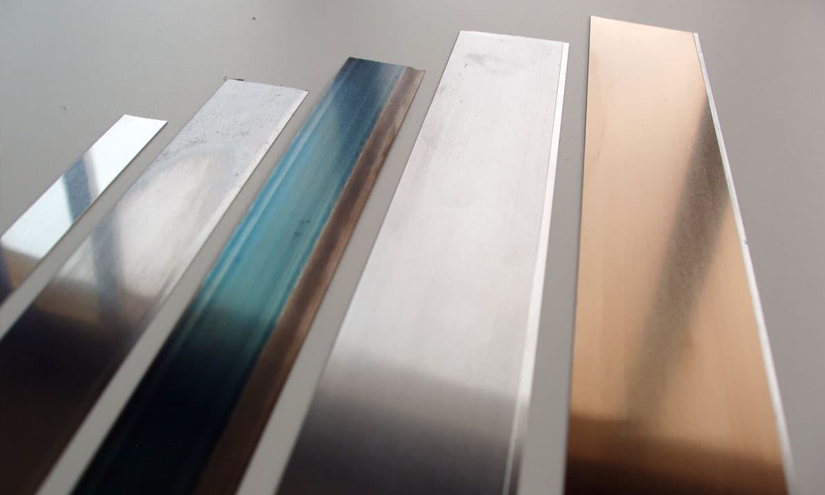
Printing doctor blades in Pakistan are the backbone of quality ink control, ensuring every print job comes out sharp and consistent across flexographic and gravure presses that power our country’s booming packaging and printing industries.
Pakistan’s printing industry has transformed dramatically in recent years. Walk into any modern printing facility in Karachi, Lahore, or Faisalabad, and you’ll see sophisticated machinery running at impressive speeds. But here’s what most people don’t realize, the quality of your final print often comes down to a thin strip of steel called a doctor blade. These unassuming components do the heavy lifting when it comes to controlling how much ink gets onto your packaging, labels, or printed materials. For Pakistani printers juggling tight deadlines with even tighter margins, getting the right doctor blade isn’t just about buying another consumable, it’s about protecting your reputation and profit margins.
What Doctor Blades Actually Do
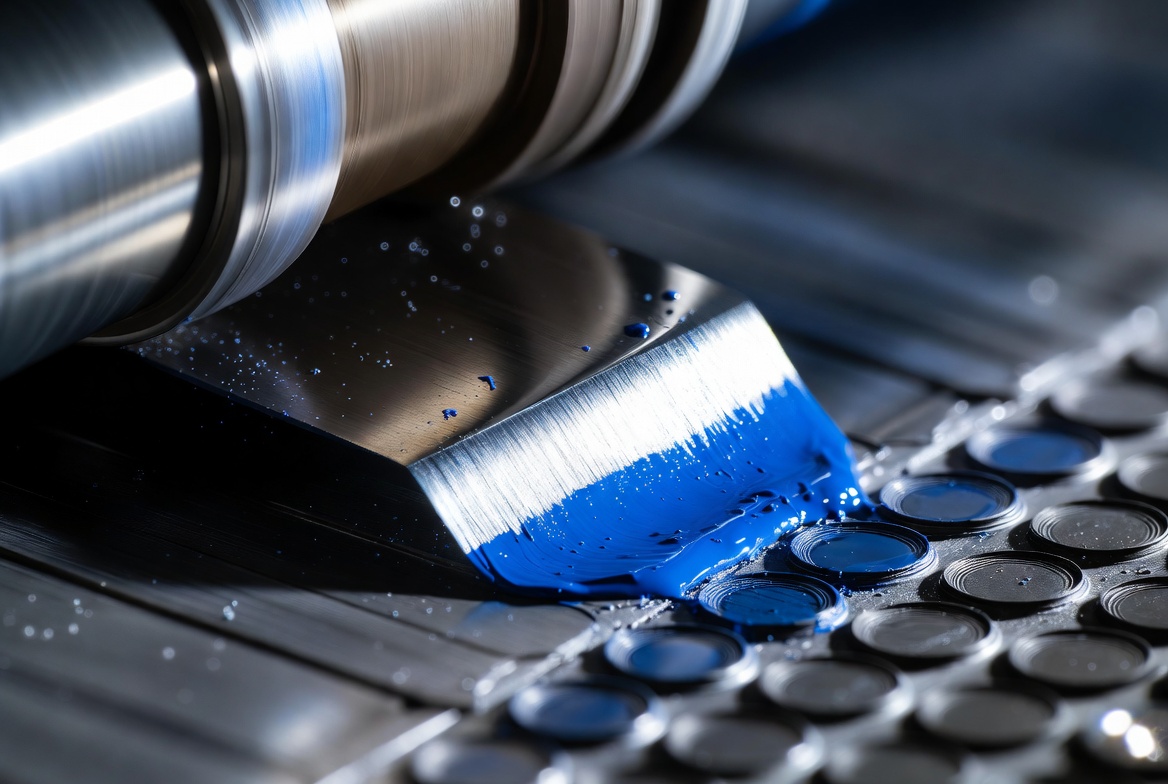
Doctor blades are precision-made steel or composite strips that scrape excess ink off printing cylinders, leaving behind just the right amount for perfect image transfer onto paper, plastic, or whatever you’re printing on.
Think of a doctor blade as a precision squeegee working at incredible speeds. As your printing cylinder spins—sometimes at hundreds of meters per minute, the blade sits at a specific angle, constantly scraping away surplus ink. It sounds simple, but the engineering behind it is remarkable. We’re talking about tolerances measured in microns and materials that need to stay sharp for kilometers of printing. Here’s what many Pakistani printers learn the hard way: a cheap blade might save you a few hundred rupees upfront, but it’ll cost you thousands in wasted substrate, downtime, and unhappy customers.
Types of Doctor Blades You’ll Find in Pakistan
Pakistani printers work with three main blade types: carbon steel blades that handle everyday jobs reliably, stainless steel options that resist our humid climate better, and specialty composite blades for sensitive cylinder surfaces.
Walk into any printing supply shop in Pakistan’s industrial areas, and you’ll see various blade options. Carbon steel blades are your workhorses, they’re what most shops use daily because they deliver solid performance without breaking the bank. These blades handle water-based inks, solvent systems, and UV inks equally well, making them incredibly versatile. But Pakistan’s climate throws some curveballs. During monsoon season, humidity shoots up dramatically, and carbon steel blades can start showing rust spots if you’re not careful about storage.
Carbon Steel: The Industry Standard
Carbon steel doctor blades give you reliable, consistent performance across most printing jobs in Pakistan, working well with all common ink types while keeping costs manageable.
Most Pakistani printing businesses built their operations around carbon steel blades, and for good reason. You can run them on flexo presses for packaging, gravure setups for high-quality work, or coating applications, they’re remarkably adaptable. The catch? You need to treat them right. Store them properly in dry conditions, handle them with clean gloves, and rotate your stock so older blades don’t sit around gathering moisture.
Stainless Steel and Advanced Options
Stainless steel blades fight off corrosion much better than carbon steel, making them perfect for humid environments or when you’re running inks with harsh solvents.
I’ve talked to printers who switched to stainless steel blades and never looked back, despite the higher price tag. The performance difference becomes obvious when you’re running long jobs with aggressive ink systems or operating near the coast where salt in the air accelerates corrosion. Some suppliers now stock coated blades with ceramic or titanium nitride treatments that take performance even further, they reduce friction, resist wear better, and can significantly extend the life of your expensive anilox rolls or gravure cylinders.
What Affects Blade Performance in Pakistan
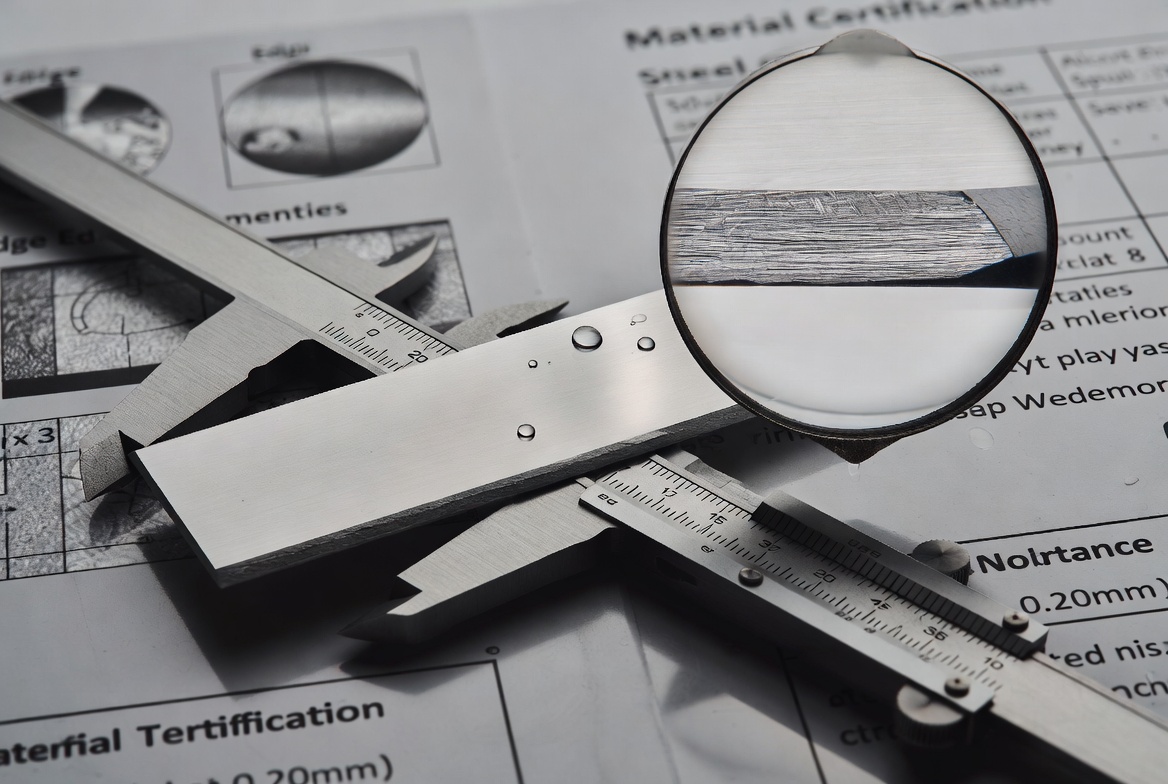
Blade performance depends on several things working together: the blade’s material quality, how well you install it, our challenging weather conditions, and whether it matches your specific ink-cylinder-substrate combination.
Pakistani printing environments are tough on equipment. Summer temperatures in places like Multan or Sukkur can hit 45°C, which changes how inks behave and affects blade contact. Then monsoon season arrives, humidity spikes, and suddenly you’re dealing with substrate dimensional changes and different ink flow characteristics. Your blade’s performance isn’t just about the blade itself, it’s about how that blade interacts with your specific cylinder coating, the ink viscosity at ambient temperature, and honestly, the skill level of your press operator.
Material Quality Makes the Difference
High-quality doctor blades made with tight manufacturing tolerances, consistent hardness throughout, and properly ground edges will outperform cheap alternatives every single time.
The manufacturing precision behind quality blades is impressive when you understand it. Premium manufacturers control the entire metallurgical processe insuring the steel has uniform hardness with no weak spots or overly brittle areas. Unfortunately, Pakistan’s market sometimes sees counterfeit or substandard blades labeled as premium products. I’ve heard stories from frustrated printers who bought “imported” blades at attractive prices only to find they wore out in hours or caused cylinder damage.
Installation Fundamentals
Proper doctor blade setup—correct angle, right amount of pressure, and precise positioning against your cylinder—determines whether you get excellent prints or constant problems.
Even the finest blade available fails miserably if you install it wrong. For flexo work, you’re typically looking at 25-35 degree angles, while gravure needs steeper angles around 55-65 degrees. But those are starting points—you’ll adjust based on your specific ink, speed, and cylinder condition. Pressure is another critical factor that many shops get wrong. Too much pressure and you’re wearing out both blade and cylinder prematurely; too little and ink leaks past, creating quality issues.
Finding Reliable Doctor Blade Suppliers
Pakistani printers can buy doctor blades from local distributors selling international brands, regional manufacturers offering cheaper alternatives, or import directly, each option has trade-offs between price, quality, and availability.
Pakistan’s doctor blade supply situation has improved dramatically over the past decade. Major cities now have distributors representing serious international brands, companies from Europe, America, and Asia with proven track records. At the same time, regional manufacturing has matured. Pakistani manufacturers and suppliers from neighboring countries now produce blades at significantly lower price points than imports. The smart approach involves matching blade quality to job requirements rather than using one type for everything.
International Brands
Established international blade makers provide top-tier products through Pakistani distributors, giving you documented specs, technical backup when problems arise, and the batch-to-batch consistency that quality-focused operations need.
Global blade manufacturers maintain presence here through authorized distribution networks. Their blades come with documented specifications and performance guarantees, which matters when you’re supplying printed materials to demanding customers. The downside? Higher costs and potential supply chain hiccups during periods when Pakistan faces foreign exchange constraints.
Regional Suppliers
Pakistani and nearby regional suppliers offer doctor blades at competitive prices with better availability and shorter lead times, though quality consistency can vary significantly.
Local manufacturing options appeal strongly to cost-conscious operations, and there are some solid regional suppliers delivering reliable products. Quality varies considerably though, some regional suppliers produce blades that perform nearly as well as international brands, while others deliver inconsistent products. The smart approach involves thorough supplier evaluation: request samples, check references from other printers, and start with small orders before committing to large purchases.
Choosing the Right Blade
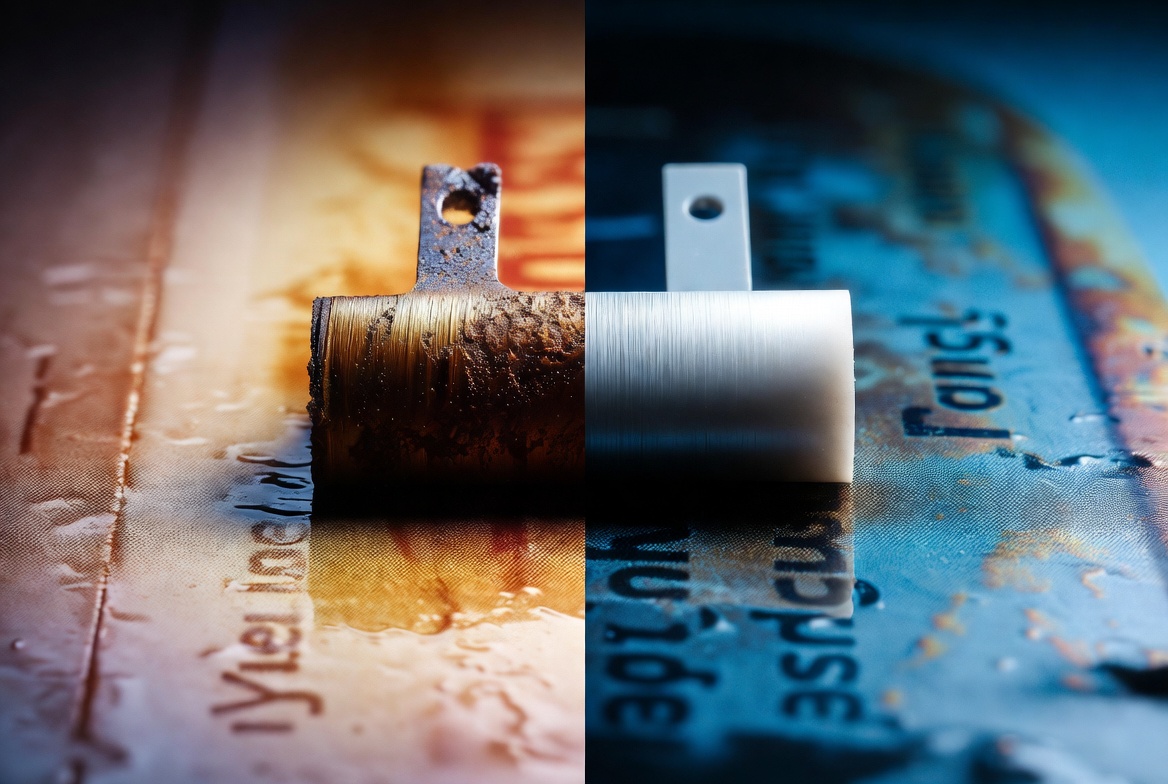
Picking doctor blades means looking beyond just price, consider material specifications, manufacturing tolerances, edge quality, compatibility with your equipment, and total cost over the blade’s lifetime.
Start with basic compatibility—does the blade work with your press configuration and cylinder type? Then dig into material specifications: steel grade, hardness rating, thickness tolerances. Edge preparation quality comes next, how precisely is the bevel ground, how straight is the edge, what’s the surface finish like? These factors directly impact ink metering precision and how long the blade lasts.
Understanding Specifications
Doctor blade thickness usually runs from 0.15mm to 0.38mm for flexo work and 0.10mm to 0.20mm for gravure, while hardness around 42-48 HRC gives you a good balance between flexibility and wear resistance.
Thicker blades around 0.30-0.38mm give you more stability and longer operational life, but they require careful setup to avoid excessive pressure. Thinner options around 0.15-0.20mm offer flexibility that helps achieve intimate cylinder contact, but they wear faster. Match these specifications to your operational priorities and the specific demands of your printing jobs.
Total Cost Analysis
Total cost analysis for doctor blades includes the purchase price, how long they last, their impact on print quality, how they affect cylinder wear, and downtime costs, premium blades often cost less overall.
Traditional Pakistani business practices emphasize minimizing upfront costs, but this approach often backfires with doctor blades. Consider a cheap blade costing half as much as a premium option but requiring twice-daily changes, occasionally causing print defects, and accelerating cylinder wear. That “cheaper” blade actually costs significantly more when you factor in everything.
Installation Best Practices
Getting optimal performance from doctor blades requires careful handling, precise angle and position setup, calibrated pressure adjustment, and quality checks before starting your production run.
Proper installation separates shops that get great blade performance from those constantly battling quality issues. Always wear clean gloves when touching blades, the natural oils from your skin actually degrade blade edges. Position the blade precisely parallel to your cylinder axis; diagonal contact causes uneven wear and print defects. Start with minimal pressure that achieves complete cylinder contact, then increase only enough to prevent ink leakage.
Maintenance That Matters
Setting up regular blade inspection routines, watching for unusual wear patterns, tracking blade life data, and keeping blade holders clean significantly extends performance and prevents unexpected failures.
Regular inspections catch developing issues before they impact production, you’ll spot edge nicks, detect blade holder contamination, and notice unusual wear patterns early. Clean blade holders thoroughly between changes; ink buildup creates uneven pressure distribution. Track blade life data across different suppliers, applications, and operators. This reveals performance patterns that inform better purchasing decisions.
Common Problems and Solutions
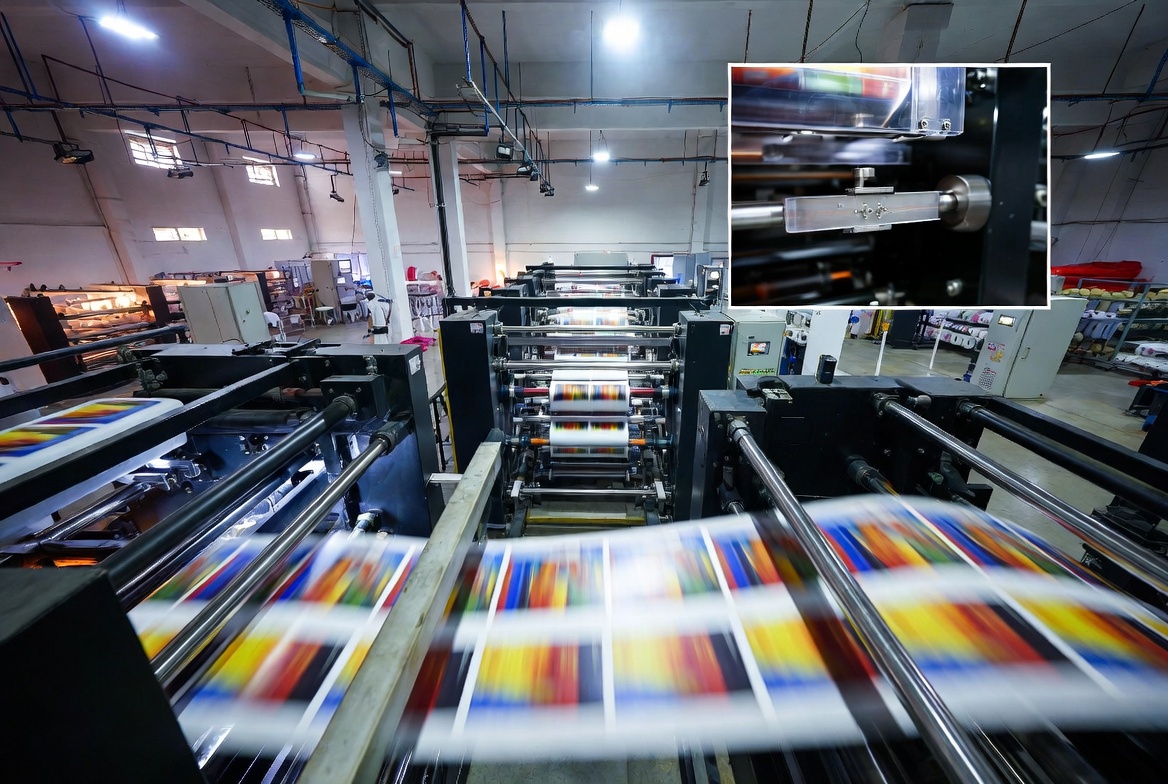
The most frequent doctor blade issues, blade lines, streaking, premature wear, and cylinder damage, usually stem from installation mistakes, material quality problems, or environmental factors.
Understanding common blade problems and their root causes helps you minimize downtime. Blade lines, those frustrating thin streaks running parallel to print direction, typically result from edge nicks, contamination trapped under the blade, or cylinder surface imperfections. Premature wear often reflects excessive pressure, wrong blade angle, or abrasive ink formulations.
Fixing Blade Lines
Blade lines usually come from edge damage, foreign particles stuck under the blade, or cylinder surface defects, fix them by inspecting blade edges carefully, cleaning all contact surfaces thoroughly, and checking cylinder condition.
When blade lines appear during production, first examine the blade edge under magnification looking for nicks or deformation. If you find edge damage, replace the blade immediately. With undamaged blades, contamination under the blade edge is the likely culprit. Remove and clean the blade, thoroughly clean cylinder surfaces, then reinstall.
Addressing Premature Wear
When doctor blades wear out much faster than expected, you’re probably dealing with excessive contact pressure, wrong blade angle, abrasive inks, or poor-quality blade materials.
Blades wearing significantly faster than they should signal underlying problems. First verify installation parameters, excessive pressure causes accelerated wear more than any other single factor. Check blade angle too, and consider whether your ink properties might be contributing to the issue.
Smart Economic Strategy
Strategic doctor blade sourcing, inventory management, and performance optimization deliver measurable financial benefits through less waste, better productivity, and longer equipment life.
Pakistani converters should treat doctor blade economics strategically instead of viewing blade purchases as simple commodity buying. Operations changing blades multiple times daily accumulate considerable labor costs plus productivity losses from changeover downtime. Print defects caused by inferior blades generate substrate waste, wasted ink, and potential customer claims.
Matching Quality to Application
Optimize doctor blade economics by using premium blades for critical quality work and export jobs while running cost-effective options for routine production.
Not every printing job justifies premium blade investment. Segment your production work, identifying which jobs demand highest quality, involve longest runs, or use most challenging substrates. Deploy premium blades strategically on these applications where they deliver clear value, while standard blades handle routine work cost-effectively.
Conclusion
Doctor blades might seem like simple consumables, but they’re actually precision components that directly determine whether your Pakistani printing operation produces excellent work consistently or struggles with quality problems. The printers who really understand blade selection, sourcing, and management gain real competitive advantages through superior quality consistency, lower operational costs, and happier customers. Success comes from balancing blade quality, supplier reliability, installation excellence, and economic optimization, all while adapting to Pakistan’s unique operational environment. As our country’s printing industry continues growing, the professionals who master doctor blade technology will position their operations for sustained success in an increasingly competitive marketplace.