
In the modern printing industry, every microscopic detail determines the outcome of the final image. Among these crucial elements, the doctor blade quietly plays one of the most important roles. It ensures precise ink transfer, consistent tone and clean print results across every production run. At pakgravure.com, each blade is designed and refined to meet the accuracy standards required in flexographic printing, gravure cylinder production, and advanced coating applications.
What Is a Doctor Blade in Printing?
Within a flexographic or gravure printing press, a doctor blade is used to scrape excess ink from the anilox roller or gravure cylinder. This process ensures that only the desired film of ink remains, forming sharp dots and accurate color registration. Without the correct blade or setup, issues like over-inking, ghosting, or uneven color distribution can occur.
In high-precision systems, especially those used at pakgravure.com, chambered doctor blades serve as the final checkpoint in the ink delivery process. Whether enclosed or manual, their job remains simple yet vital, maintaining smooth and uniform ink control for consistent print quality.
Different Types of Doctor Blades
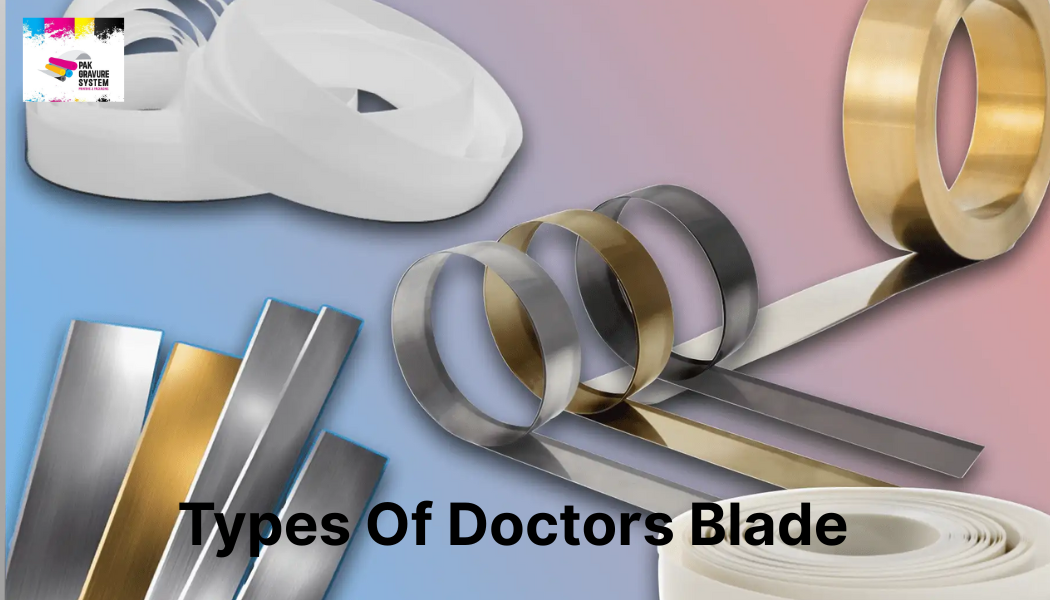
Doctor blades are available in several styles and materials to match diverse printing needs. The most common types include:
Bevel Edge
Used for moderate print speeds, this edge type offers balanced durability and flexibility.
Lamella Edge
Known for its thin, flexible tip, the lamella profile delivers highly precise metering — making it ideal for high-speed modern presses.
Straight Edge
A cost-effective solution for standard printing jobs requiring minimal precision.
Doctor Blade Materials
The material of the doctor blade determines its wear resistance, lifespan, and safety in the pressroom. Each type serves a distinct function:
- Steel Blades: Durable and ideal for long production runs, though they may cause roller scoring if mishandled.
- Plastic/Polymer Blades: Preferred for operator safety and reduced risk of anilox damage.
- Ceramic-Coated Blades: Offer exceptional wear resistance, extending performance life and enhancing print consistency.
At pakgravure.com, we select materials based on ink type, printing speed, and roller composition to maximize pressroom efficiency and reduce downtime.
How the Doctor Blade Affects Print Quality
Even though a doctor blade appears simple, it directly determines the accuracy and clarity of every printed image. The balance between blade angle, pressure and tip configuration defines how smoothly ink is metered.
- Too steep an angle can lead to chatter or vibration, damaging the gravure cylinder.
- Too shallow an angle can cause excess ink build up, producing darker prints and blurred details.
- Excessive pressure wears both the blade and roller prematurely, while insufficient pressure leaves uneven ink layers.
When the settings are correctly calibrated, each precision blade ensures clean, sharp, and defect-free results exactly what pakgravure.com promises to deliver.
Common Printing Problems Linked to Doctor Blade Issues
A worn-out or poorly installed blade can result in multiple printing defects:
- Streaking: Caused by dirt or nicks along the blade edge.
- Ink Spitting: Often due to incorrect angle or excess pressure.
- Railroading: Appears as double ink lines caused by poor blade alignment.
- Dot Gain: Results from excessive ink transfer, expanding printed dots beyond their intended size.
Proper blade maintenance and timely replacement prevent these issues, ensuring smooth ink coating and sharp image reproduction.
Correct Installation and Maintenance Practices
Even a high-quality doctor blade cannot perform effectively without proper installation. For accurate ink metering, the following steps must be observed:
- Positioning: Align the metering and containment blades precisely
- Angle: An angle between 25° and 30° is typically ideal for most flexographic systems.
- Maintain: a pressure level of about 1 Bar (≈ 14.5 psi), adjusting as needed for the press type and substrate.
- Tension: The blade must remain flat and evenly seated in its holder.
- Cleanliness: Regular cleaning of the ink chamber prevents debris buildup and scoring.
At pakgravure.com, strict installation protocols and preventive maintenance routines are followed to uphold consistent print standards.
Choosing the Right Doctor Blade
Selecting the right doctor blade is essential to control ink flow, extend roller life, and achieve fine-detail results. In gravure printing, both metal and non-metal scrapers are used depending on press requirements. Wear resistance, flexibility, and precision must all align with the production setup.
For example, polymer blades are often preferred for solvent-based adhesives and lamination processes due to their flexibility and safe handling, while steel blades are selected for high-volume industrial runs. The expert team at pakgravure.com assists printers in evaluating their press type, ink chemistry, and substrate to determine the most efficient blade for the job.
Advantages of Advanced Coating
In modern print environments, advanced coatings on doctor blades have become essential rather than optional. A ceramic-plated or specially treated blade provides:
- Corrosion resistance, preventing oxidation and material degradation.
- Extended lifespan, lasting up to five times longer than uncoated blades.
- Reduced maintenance, saving both time and operational cost.
- Improved durability, maintaining consistent print quality over extended runs.
Investing in coated precision blades through pakgravure.com ensures smoother operation and greater overall value.
Industry Standards and Best Practices
Across the global printing industry, organizations like the Flexographic Technical Association (FTA) and the Printing Industries of America (PIA) define best practices to improve safety, efficiency, and product quality. These standards emphasize correct doctor blade handling, optimized ink control, and regular maintenance as the foundation for consistent results.
At pakgravure.com, these guidelines are followed meticulously to ensure reliability, performance, and compliance with international printing benchmarks.
Conclusion
Although small in size, the doctor blade holds a massive impact on every print result. From maintaining the perfect ink film to preventing costly reprints, its selection and maintenance define print precision.
For professional advice and customized doctor blade solutions in Pakistan, visit pakgravure.com where innovation meets reliability in every print cycle.
Contact Pak Gravure today to find the ideal doctor blade for your printing setup and experience the true art of precision printing